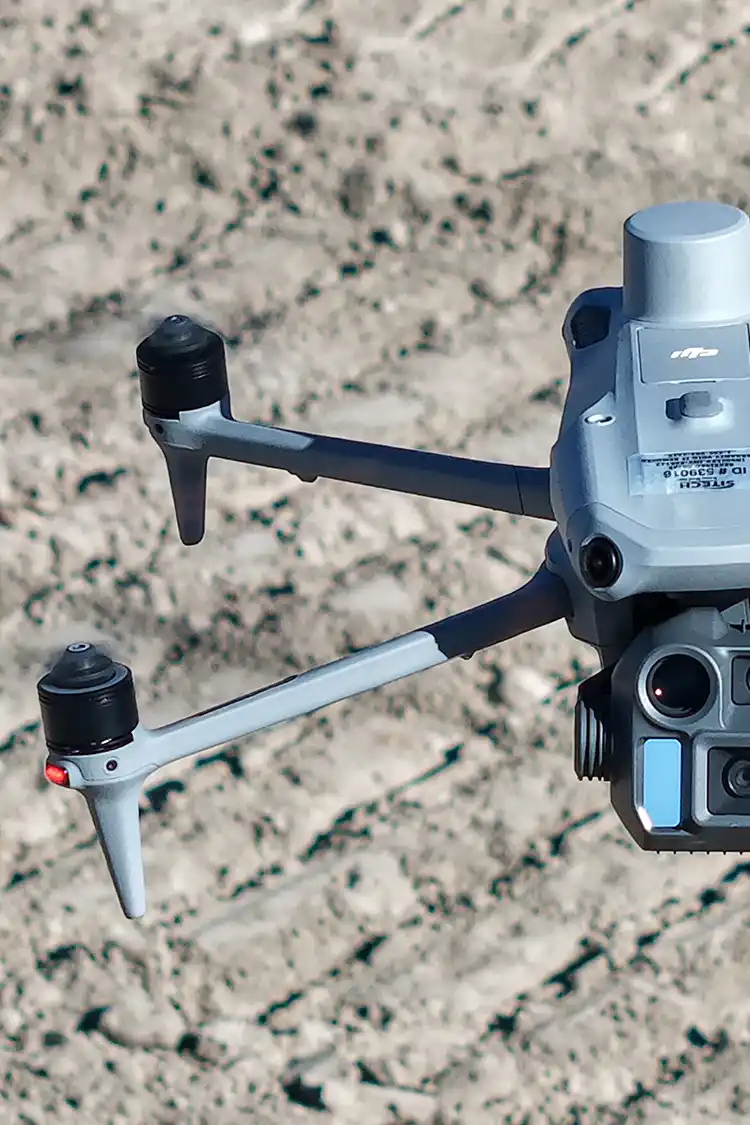
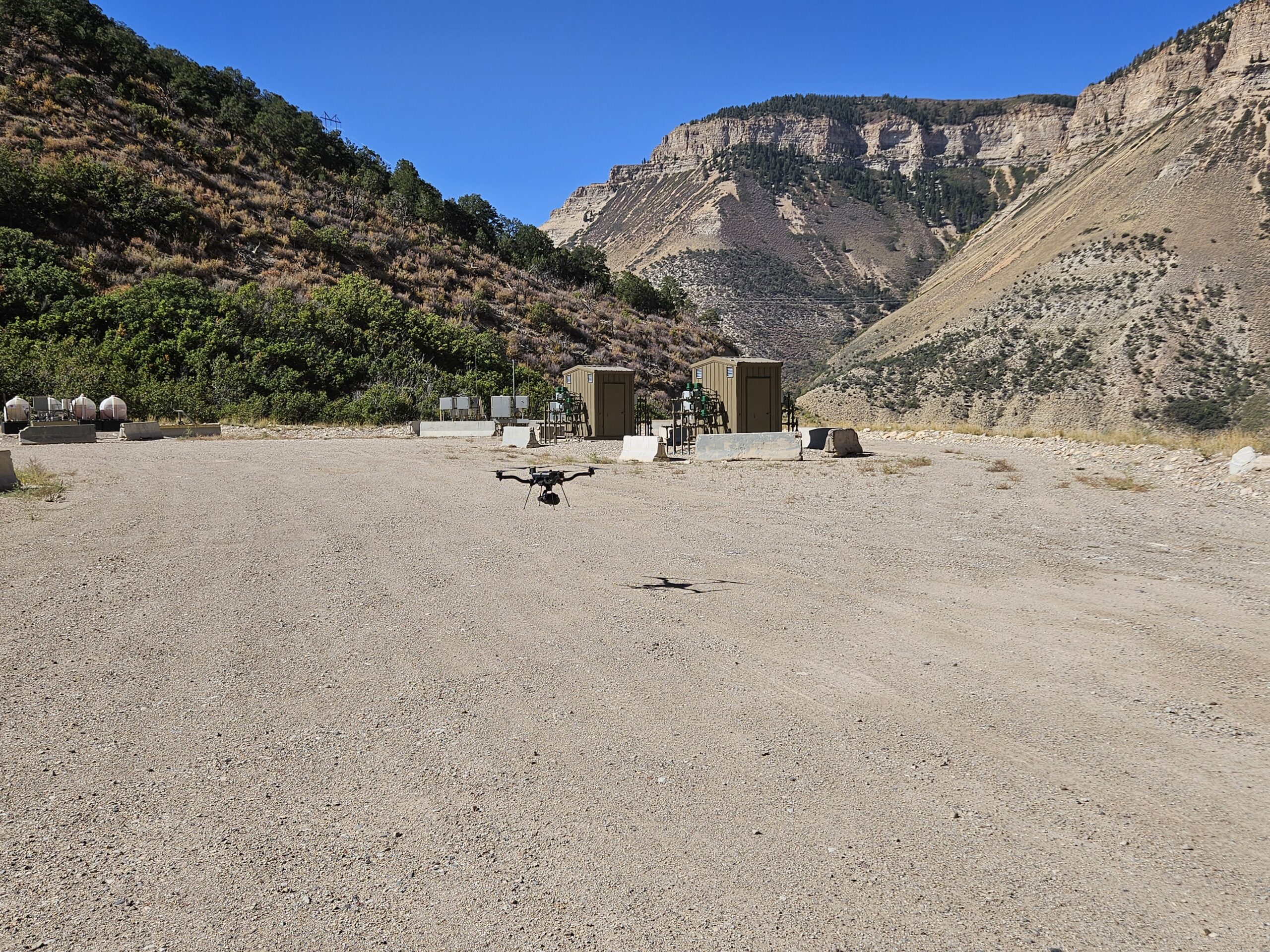
With the rapid advancement of drone mapping and LiDAR technology, it’s easy to assume that traditional surveying methods are becoming less important. In reality, the opposite is true. Drone mapping works best when it supports the experience, precision, and field expertise of professional land surveyors. At Summit LiDAR, we view aerial data collection as a tool that enhances traditional survey workflows – not one that replaces them. In this blog, we’ll discuss the continued importance of traditional surveying and how drone LiDAR services help survey teams work more efficiently, safely, and effectively.
The Value of Traditional Surveys
Traditional land surveying remains an essential part of construction, engineering, and land development projects. Licensed surveyors provide the precision, legal oversight, and field expertise. This is needed to establish boundaries, verify control points, and ensure projects are built accurately. Beyond collecting measurements, surveyors also interpret site conditions, identify potential issues, and apply professional judgment that technology alone cannot replace. Accurate, reliable survey data continues to serve as the foundation for successful project planning and construction.
Where LiDAR Comes In
While traditional survey methods cannot be replaced, they do have limitations. Larger projects and difficult terrain can be both labor-intensive and costly. This is where LiDAR excels. LiDAR drone surveys allow teams to quickly capture large amounts of elevation and site data across areas that may be difficult or unsafe to access on foot. Steep slopes, active construction zones, heavily vegetated areas, and remote locations can all be mapped more efficiently from the air. LiDAR also helps reduce the amount of time crews spend in the field while still providing highly detailed topographic data and 3D site models.
Working Together
Drone data works best when paired with traditional survey methods. Rather than replacing traditional surveying, LiDAR helps support it by improving efficiency, expanding site visibility, and providing additional data that survey teams can use throughout a project. While drone LiDAR and aerial mapping technology can collect large amounts of data quickly, they do not replace the knowledge and judgment that professional surveyors bring to a project. Ground control, field verification, and professional interpretation will always play a critical role in producing reliable and actionable results.
The Summit LiDAR Difference
At Summit LiDAR, we recognize the significant value traditional survey methods bring to a project. Rather than being an alternative to them, we work with surveyors to help you get the most accurate and efficient data for your project. Ready to learn how LiDAR could fit your project needs? Reach out today to talk with one of our certified drone professionals.